YOUR IMAGINATION KNOWS NO BOUNDARIES WITH ECO~RK LEATHER
Customisation with Cork leather
THE WORLD WILL CHANGE WHEN WE REARRANGE OUR IDEALS
Nature gives the world what it needs at the right moments
it's up to us how we use these gifts
and transition into a balanced environment
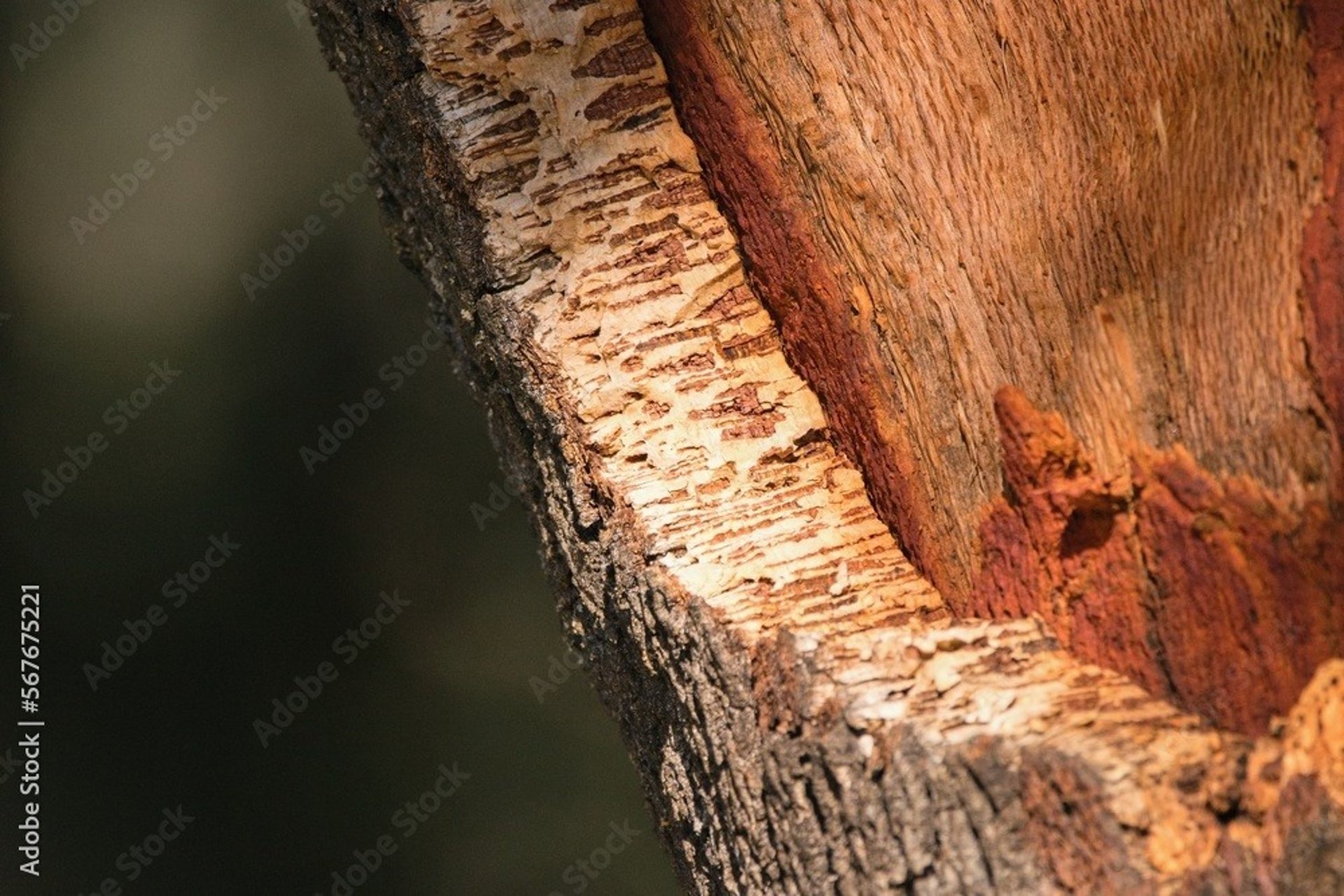
Cork Characteristics:
Renewable and sustainable
Excellent slip resistance
Non-toxic and chemical-free
Antibacterial and skin-friendly
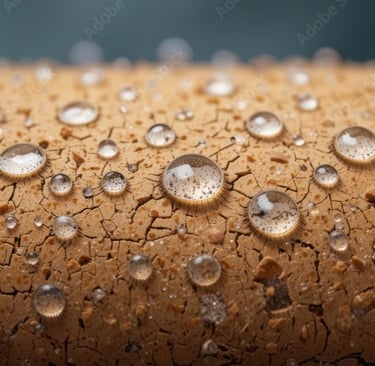
Waterproof
Breathable
Sound-absorbing
Abrasion resistant
Flame retardant
Good cushioning
ONE OF THE WORLDS GREATEST WONDERS
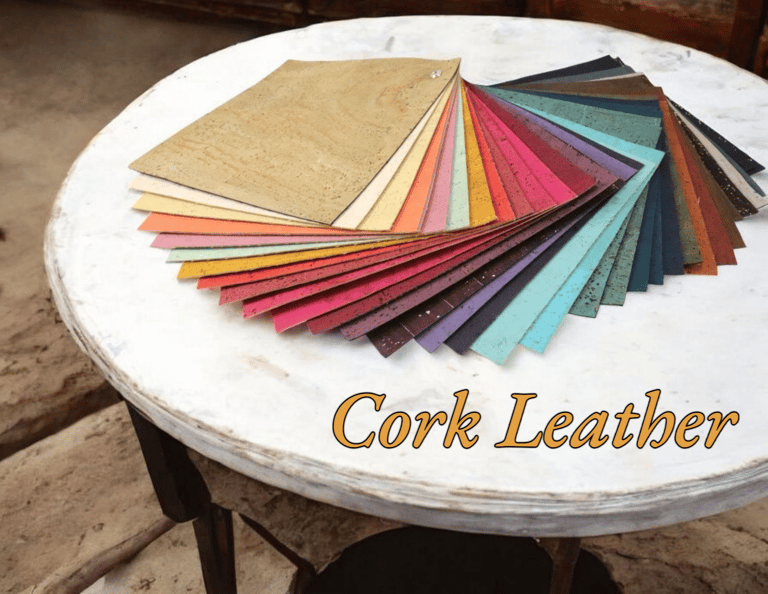
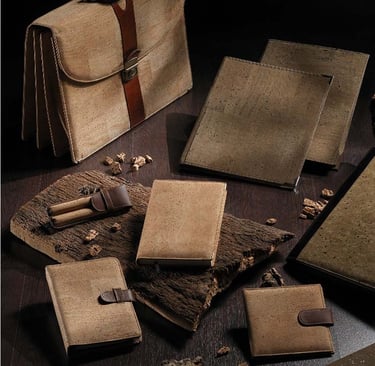
SUSTAINABLE
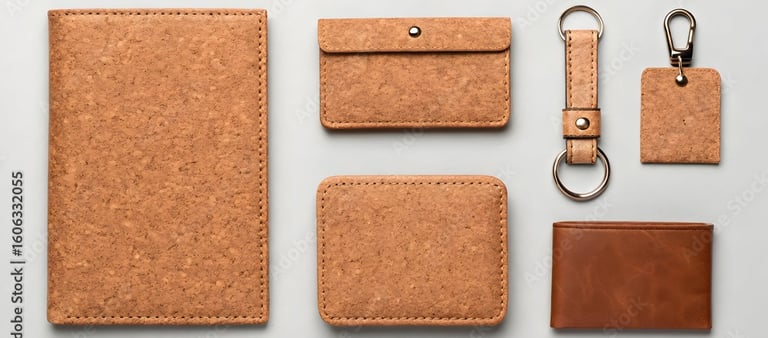
Explore our unique cork leather products & custom accessories
Cork leather, a unique and sustainable material derived from the bark of cork oak trees, has gained popularity in recent years due to its numerous benefits. Here, we explore the key advantages of cork leather, particularly focusing on its sustainability, versatility, durability, and aesthetic appeal.
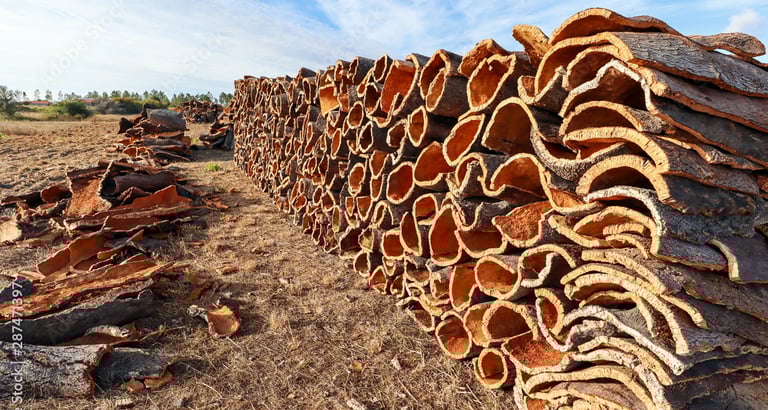
1. Sustainability Cork leather is celebrated for its eco-friendly properties. The process of harvesting cork is sustainable as it involves stripping the bark from mature cork oak trees without harming them. Once the bark is removed, the tree can regenerate this bark roughly every nine years, allowing it to continue growing and absorbing carbon dioxide. This sustainable harvesting method promotes biodiversity and helps maintain healthy ecosystems. Furthermore, cork oak forests play a vital role in combating desertification and providing habitats for various wildlife.
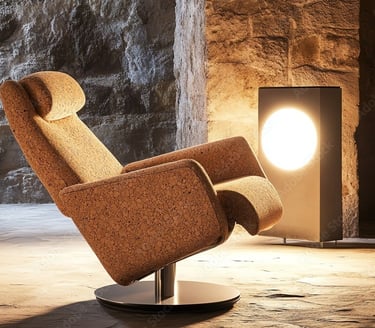
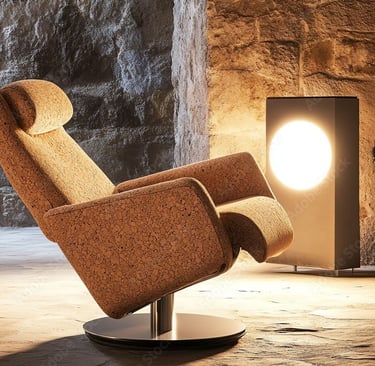
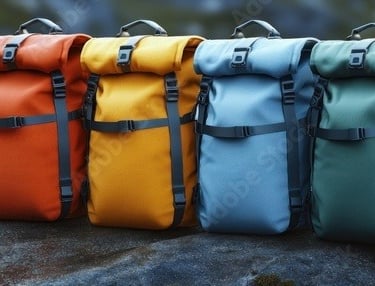
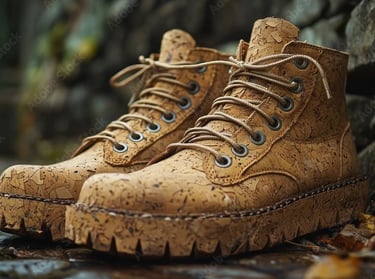
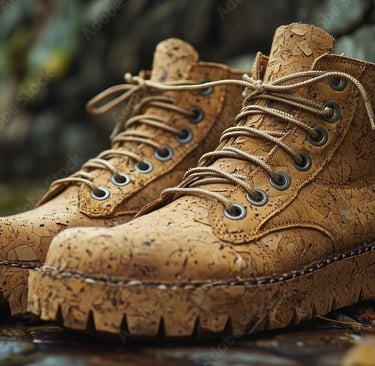
3. Versatility Cork leather is a highly versatile material, used across various industries. It can be fashioned into a wide range of products, including clothing, bags, wallets, shoes, and even furniture. Its adaptability enables designers to experiment with cork leather in innovative ways, creating stylish and functional items that cater to diverse tastes. The unique texture and appearance of cork leather can complement various styles, from casual to high fashion.
4. Lightweight and Comfortable One of the standout qualities of cork leather is its lightweight nature. This feature enhances the comfort of products made from cork leather, making it an excellent choice for garments and accessories that are worn or carried daily. Additionally, cork leather's natural properties allow it to adjust to the wearer's body contours, providing a comfortable fit
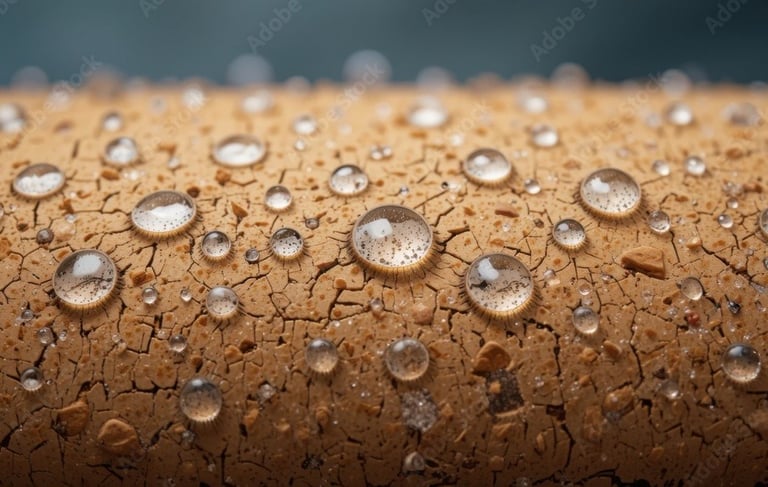
5. Durability Cork leather is surprisingly durable and resistant to wear and tear. It can withstand moisture and resist staining, making it an ideal choice for products that encounter daily use. With proper care, cork leather can maintain its integrity for years, showcasing its long-lasting nature compared to many synthetic alternatives.
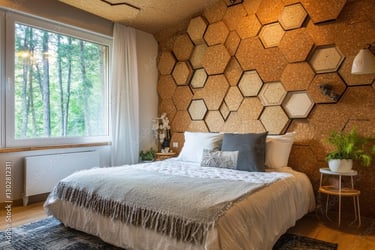
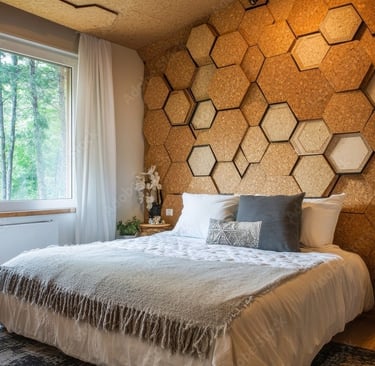
6. Natural Insulation Cork is a natural insulator, which can provide temperature regulation in products like footwear and jackets, also interior insulation and soundproofing for walls and floors. This property helps keep the body warm in colder weather while offering breathability in warmer conditions. This adds another layer of comfort and functionality to items made from cork leather.
7. Hypoallergenic Cork leather is also hypoallergenic, making it suitable for individuals with sensitive skin or allergies. Unlike many conventional leathers, cork leather does not contain any harmful chemicals, making it a safer option for consumers who are health-conscious or environmentally aware. This characteristic ensures that cork leather products deliver safety without sacrificing style.
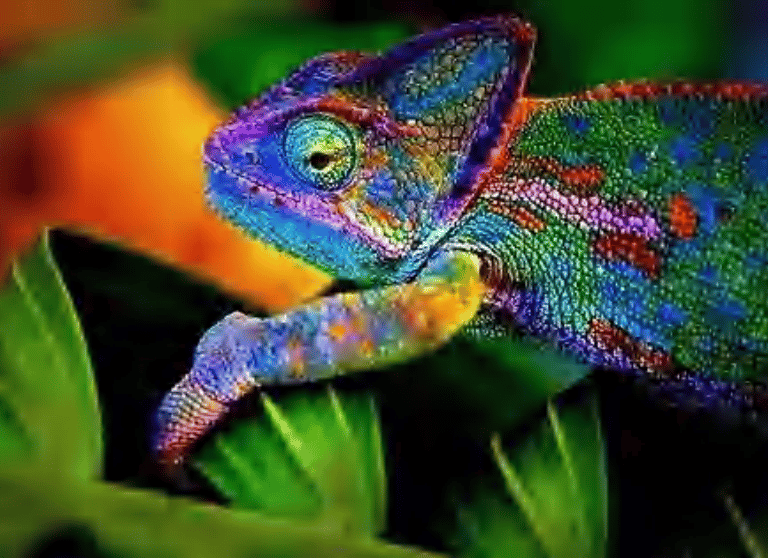
8. Unique Aesthetic Every piece of cork leather is unique, featuring distinctive textures and patterns that highlight its natural origin. This uniqueness adds a touch of individuality to products and a chamelon type effect to nature within the vast array of designs. appealing to consumers looking for something personal and one-of-a-kind. Additionally, cork leather can be treated with various finishes, allowing for further customization and diverse aesthetics.
9. Easy to Clean Maintaining cork leather is a breeze; it can be cleaned with just a damp cloth, making it a practical choice for everyday use. Its resistance to stains and moisture means that it requires minimal upkeep, which is an attractive feature for busy individuals.
Cork leather represents a sustainable and stylish alternative to traditional leather and synthetic materials. Its benefits include eco-friendliness, versatility, durability, and comfort, making it a compelling choice for conscious consumers. As the demand for ethical and sustainable products continues to rise, cork leather is poised to play a significant role in the future of fashion and lifestyle products.
2. Biodegradable and Renewable Unlike many synthetic materials, cork leather is biodegradable and made from renewable resources. At the end of its lifecycle, cork leather products will naturally decompose, reducing waste in landfills. When properly maintained, cork leather can last for many years, making it a responsible choice for environmentally conscious consumers.



How Cork Is Eco-friendly
Cork oak forests absorb 14 million tons of carbon dioxide each year, helping to slow global warming and prevent land desertification. It helps to mitigate global warming, reduce soil erosion and regulate the water cycle.
Each cork absorbs an average of 112 grams of carbon dioxide.
Each ton of cork absorbs 1.83 tons of carbon dioxide
Making a plastic bottle stopper emits 10 times more CO2 than a cork.
The manufacture of aluminum screw caps emits 24 times more CO2 than cork.
Studies show that for every ton of cork produced, cork oak forests can sequester up to 73 tons of CO2, thus helping to reduce global warming potential.
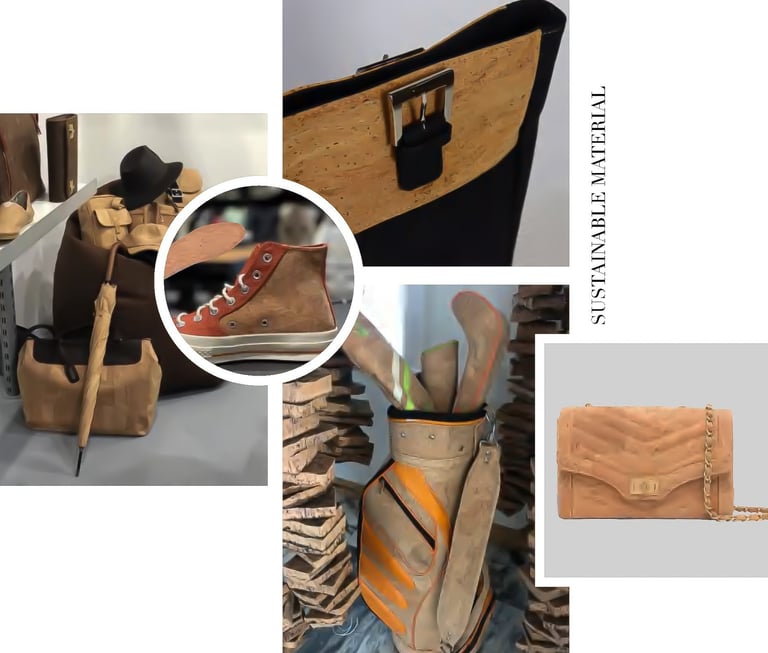
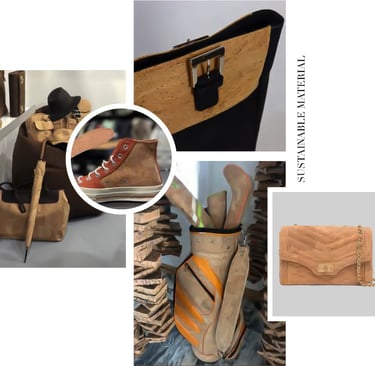
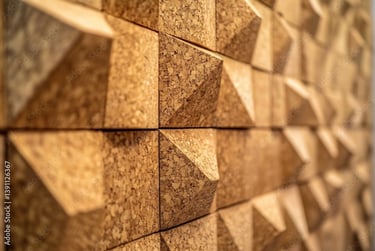
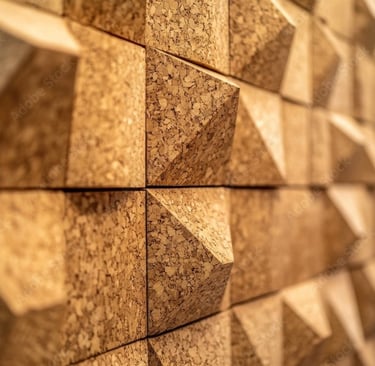
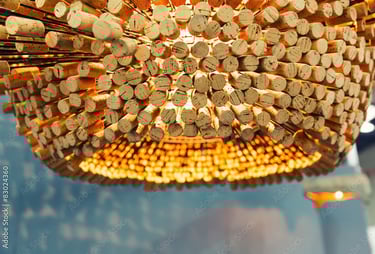
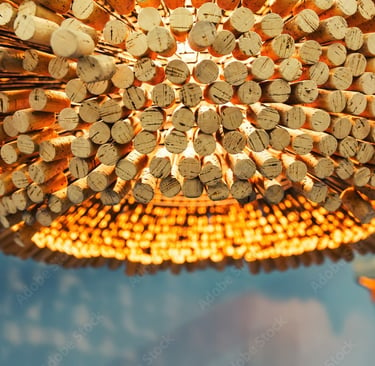
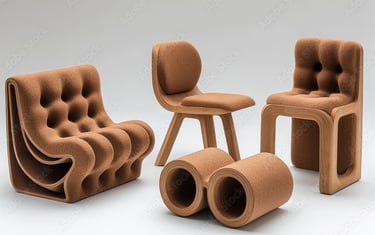
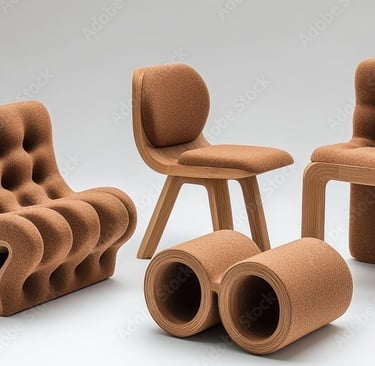
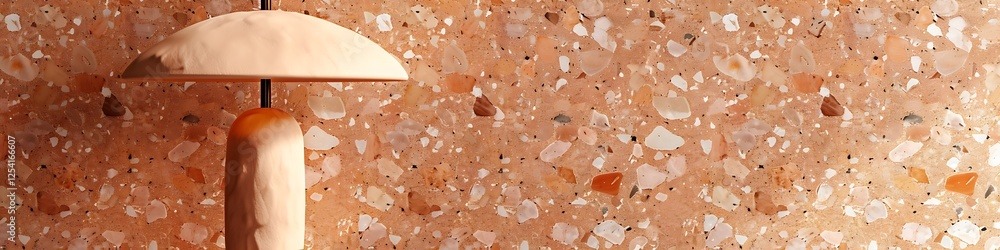
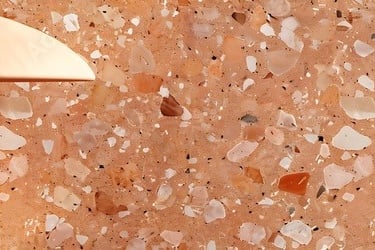
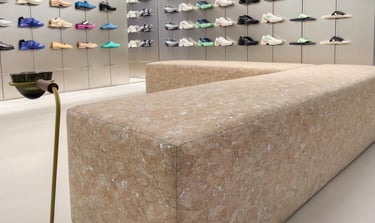
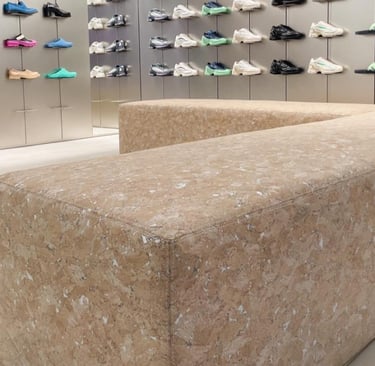
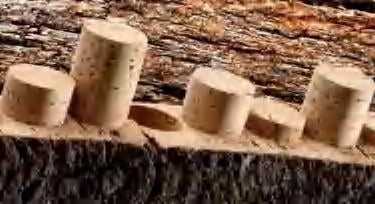
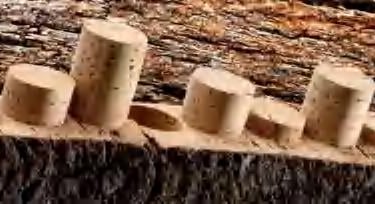

Cork fabric crafts types
CORK LEATHER: Cork leather is the most precious and luxurious among all cork fabrics. It is cut from the whole cork, removing the surface impurities to extract the best part of it, to the greatest degree to retain the original natural grain of the cork.
Cork leather has a soft texture. It is often compared to fine animal leather. Its smoothness also makes it ideal for many products – it feels great on the skin. But don’t be fooled by its soft, smooth texture – it’s also very durable.BAMBOO GRAIN CORK FABRIC: Bamboo grain cork fabric, which is cut from side sections by splicing cork blocks together, is cut with a bamboo-like texture.
It is also one of the most common textures of cork fabric.
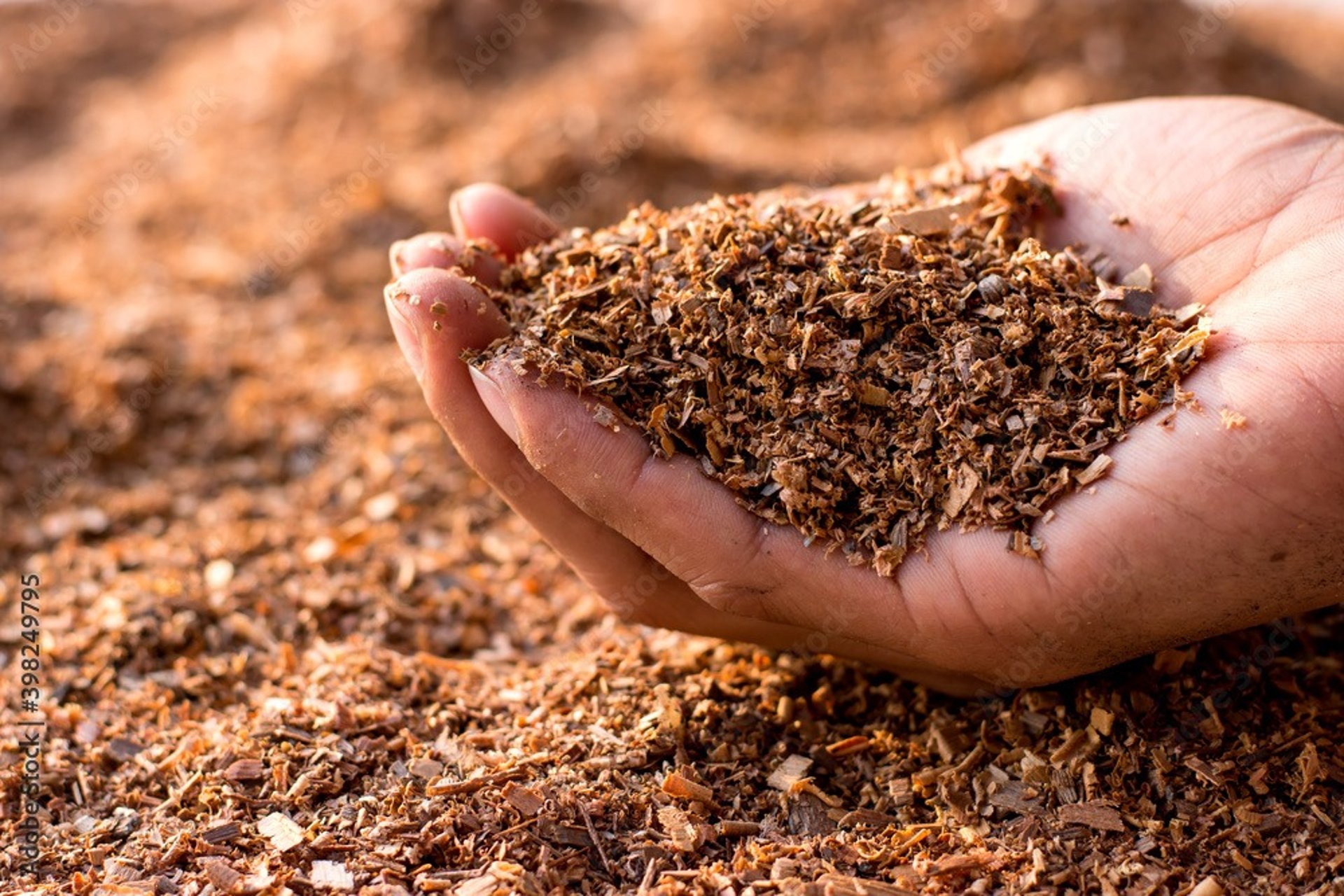
Bamboo grain cork fabric is divided into grades, the higher the grade, the less natural holes and impurities on the surface.FLOWER GRAIN CORK FABRIC: Shredded cork fabric, most of which is reprocessed through the leftover trimmings from the production of high quality cork, maximizes utilization. The cork trimmings and cork blocks are made into different sizes of granules through a shredder, then ground to separate impurities, a vibrating plug is used to continue the separation, and finally manual sorting of black impurities is required.
Then the processed cork granules are put into the mold for pressing, steaming and other processes, and finally cut.DYED CORK FABRIC: Cork was the first natural beige color, but fashion and times are developing, the world of cork is also developing, dyeing technology is applied to cork fabric. Before laminating the backing, natural fabric dyes are used to dye the cork in different colors, and finally, the color is guaranteed to last forever by solid color treatment.
PRINTED CORK FABRIC: Printed cork fabric is the favorite part of designers, just propose the idea and design, we can help you realize and make it. General printing technology we use: film transfer printing, grid version screen printing, digital printing, UV printing.
Also we use water-based environmental pigments to print your design clearly and firmly on the cork fabric.RAINBOW & METAL CORK FABRIC: Rainbow & Metallic Cork Cloth takes the cut cork paper and laminates the rainbow color/metal film on the bottom through the laminating machine, and the rainbow color will appear on the cork paper hollow. Common metallic cork fabric colors are gold and silver.
EMBOSSED CORK FABRIC: Embossed cork fabric is less used by designers, through the squeegee treatment or grouting treatment to create the shape, the pattern forms a sense of concave and convex, more three-dimensional. If you customize a new pattern, you need to make a new model.
LASER CORK FABRIC: Laser cork fabric can laser various shapes, easier than embossing treatment, submit the design pattern file, operate by laser machine, then you can present your pattern on the cork fabric.
CARBONIZED CORK FABRIC: Carbonized cork fabric is made by putting sorted cork particles into a mold for hot pressing. The carbonized cork is dark brown coffee color with a faint smell of roasted wood – I think it’s more like coffee flavor.
27 Interesting Cork Facts
The world produces enough cork to run around the world 15 times a year.
A ton of corkboards can produce about 67,000 corks.
The cork industry began to flourish in northern Portugal in the 18th century, thanks to the port industry. The stoppers are cut by hand and one person can make about three stoppers per minute.
The largest and oldest cork oak in the world is known as Assobiador (Whistler). The name was inspired by the sound of songbirds falling on the branches of the tree. Planted in 1783, this cork oak is more than 14 meters tall and has a trunk circumference of 4.15 meters.
In ancient Greece, only priests were allowed to cut down trees that were considered a symbol of freedom and honor.
The natural cork, considered together with all the cork oak forests that depend on it, retains 112 grams of carbon dioxide per unit.
At the 2010 NATO Summit, celebrities such as Barack Obama, Angela Merkel, and Hillary Clinton received gifts of cork fashion and accessories. The U.S. president also received a collar for his Portuguese water dog, Bo.
In 1964, cork was successfully tested in a NASA lathe at speeds of up to 17,900 feet per second.
Hollywood uses cork to simulate debris from explosions. Cork has been used in Ghostbusters and Mission Impossible movies.
In 2007, the Portuguese Post Office and the Portuguese Parliament launched the first cork stamp, with 23,000 copies printed.
In 2011, the Parliament of the Republic declared the cork tree to be the national tree of Portugal.
The Portuguese cork closes the world’s most expensive whisky, Dalmore Trinitas 64, which sells for 118,000 euros per bottle.
Cork was used by the Egyptians and Persians in 3000 B.C. for purposes other than stoppers, but it was soon used to seal amphorae or other wine containers.
Cork was one of the raw materials for ships sailing into uncharted waters, and it was used for military equipment in World War II.
The floor of Barcelona’s Sagrada Familia Cathedral was made of cork to improve acoustics and eliminate cold.
In the 17th century, the Benedictine monk Dom Pérignon chose cork to seal his famous champagne.
What is believed to be the world’s oldest drinkable champagne is closed with a cork. Lost in a shipwreck at the bottom of the Baltic Sea for over 200 years, it was not discovered until the 21st century and has been perfectly preserved.
Portugal was a pioneer in legislating for the environmental protection of cork oak forests and is now the leading legislator on the issue.
Following the invention of the light microscope in 1660, English scientist Robert Hooke was the first to observe the structure of cork and coined the word “cell” which is still used today.
A cubic centimeter of cork can contain about 40 million cells. A cork can contain about 800 million cells.
“Plant a cork oak tree for your grandchildren. An old and wise saying emerges because cork oak needs to wait more than 40 years to produce a good quality cork for the production of natural cork stoppers.
Cork production does not destroy trees. After harvest, the cork oak undergoes a process of self-regeneration not seen in any other species.
Plastic caps emit 10 times more CO2 than cork… Aluminum caps emit 24 times more CO2 than cork.
Cork was one of the materials used in the earliest versions of the rescue buoy. the Marine Spencer was a circle of oiled canvas with 800 corks attached to a sturdy rope. The first mention of this buoy appeared in the late 18th century.
Microwave radiation increased the yield of cork by 40% to 80%. The cork multiplies without losing any of its properties. The work was developed by the University of Higher Agronomic Institute of Lisbon and was shortlisted for the 2013 European Patent Office Inventor of the Year Award in the industrial category.
Artist Joana Vasconcelos incorporates cork in the transformation of the Trafaria Praia boat presented at the Venice Biennale. The ferry is transformed into a recognizable element of Portuguese culture. Cork stands out as a decorative component in terms of technical performance and aesthetic versatility.
Between 1894 and 1899, the first Coca-Cola bottle was sealed with a cork
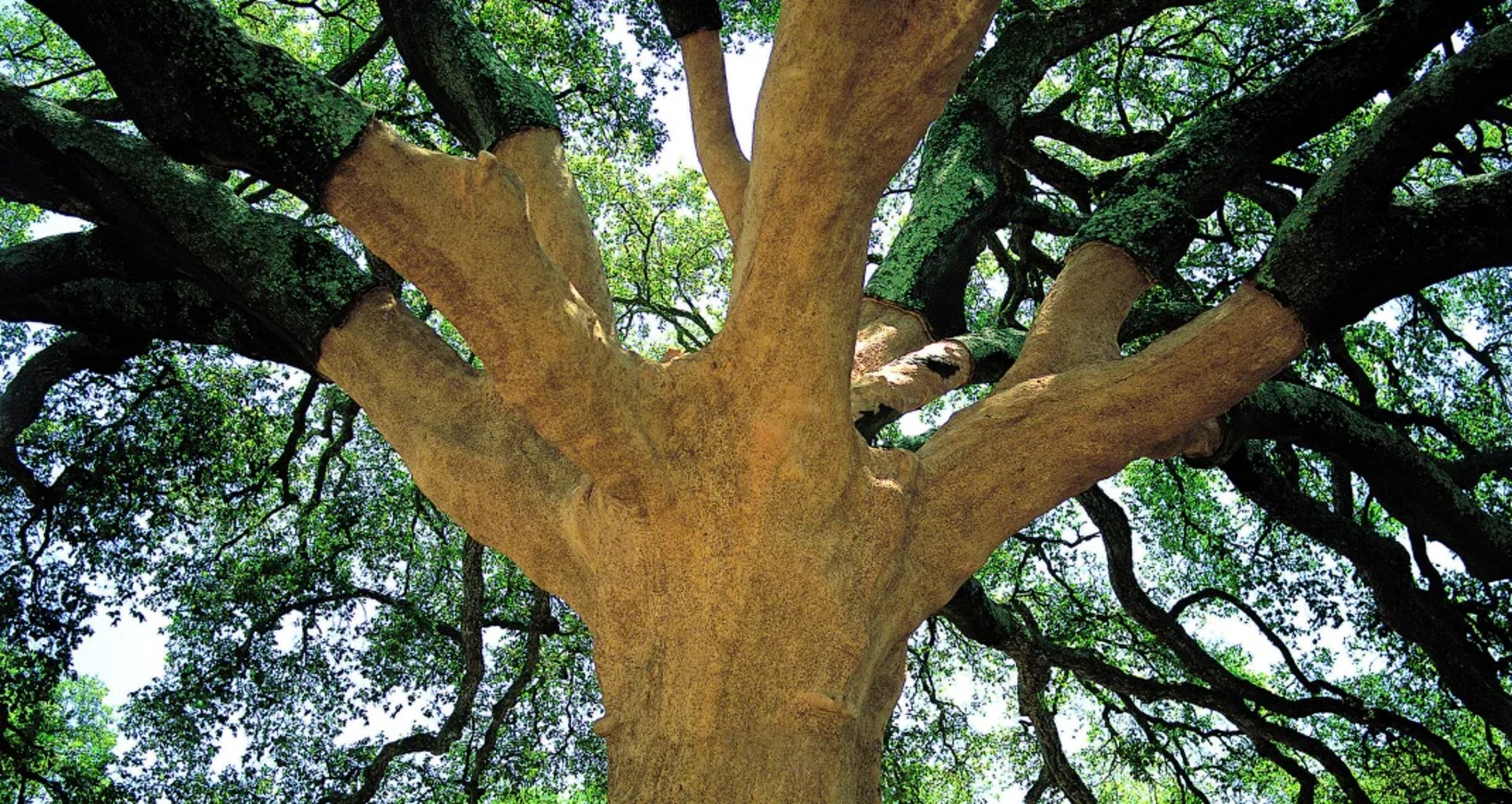
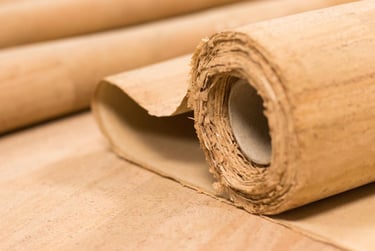
Cork leather (also known as cork fabric) is a sustainable textile created by
bonding thin slices of natural cork bark to a fabric backing. The production process is unique because it requires no toxic chemicals or tanning and does not harm the trees.
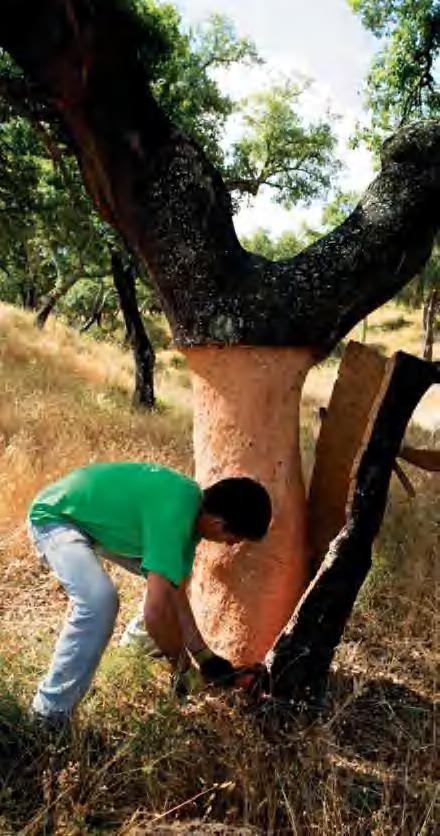
1. Harvesting (Extraction)
SOURCE: The process begins with the Cork Oak (Quercus suber), primarily grown in the Mediterranean.
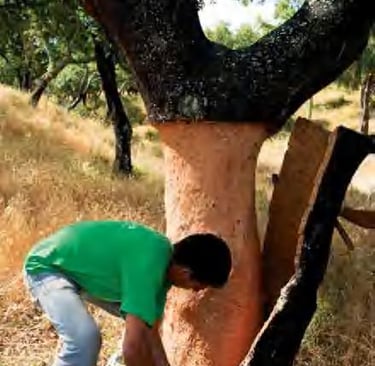
MANUAL REMOVAL: Skilled "extractors" use traditional hand axes to strip the outer bark from the tree's trunk.
REGENERATION: Trees are never cut down. The bark is harvested every 9 to 12 years, a cycle that actually helps the tree absorb up to five times more
CO2cap C cap O sub 2
𝐶𝑂2
.
2. Treatment and Preparation
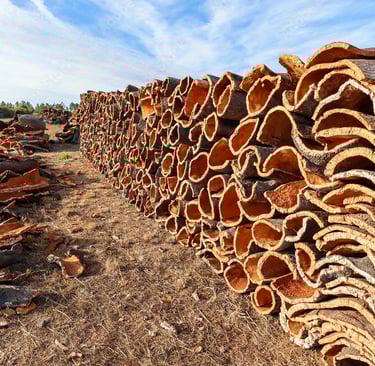
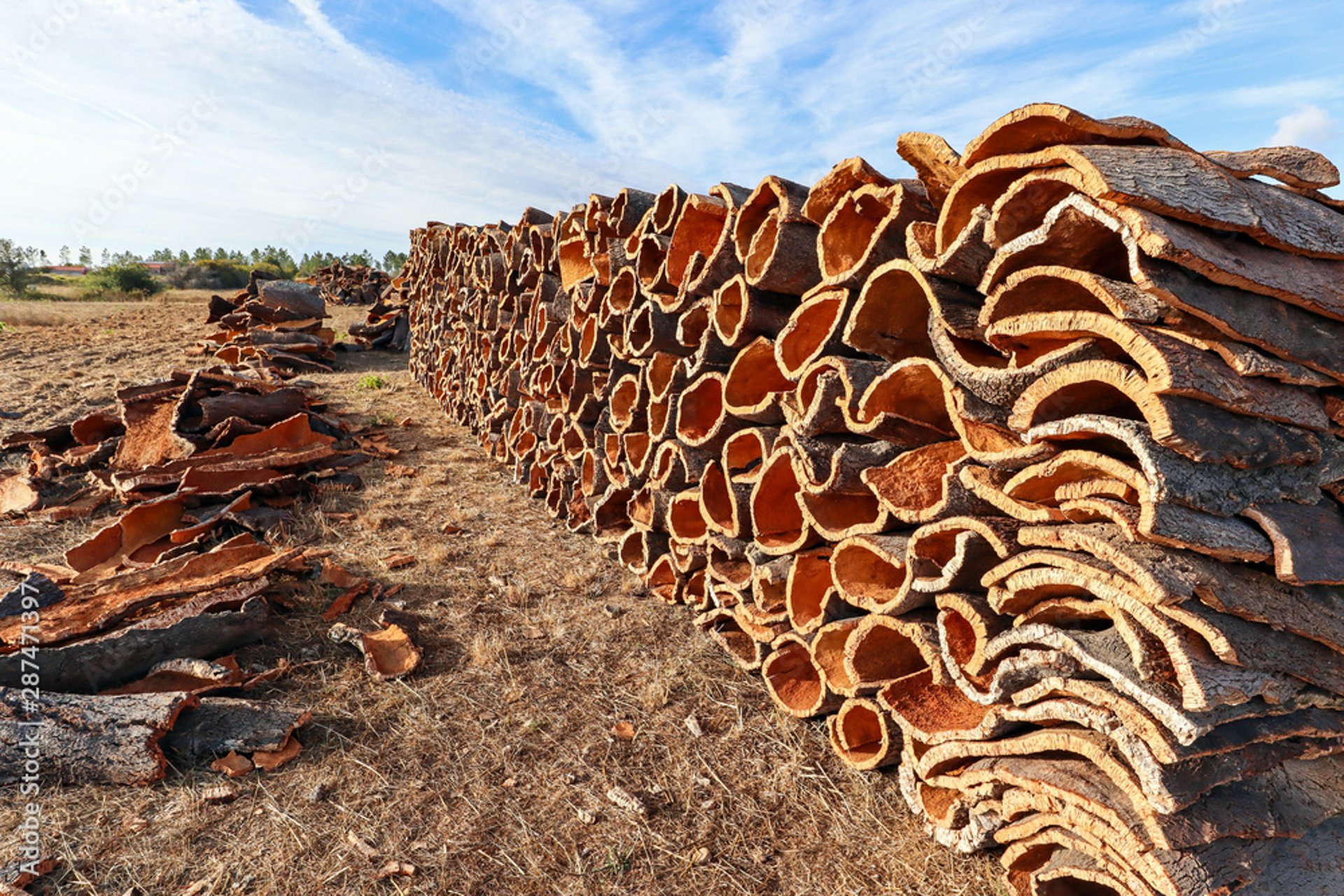
DRYING: Harvested bark planks are left outdoors to air dry for approximately 6 months to stabilize and reduce moisture.
BOILING & STEAMING: The planks are boiled in water and steamed. This removes dirt and microorganisms while significantly increasing the material's elasticity and flexibility.
FLATTENING: After boiling, the cork is pressed into large, flat blocks or sheets.
3. Slicing and Bonding
THIN SLICING: These blocks are sliced into extremely thin sheets (often 0.3mm to 0.4mm thick).
LAYERING: These thin slices are laminated onto a backing material. Common backings include cotton, polyester, or blends.
ADHESION: The cork is bonded to the backing using heat and pressure. In many high-quality processes, suberin (a natural resin inherent in cork) acts as the adhesive, though some manufacturers use non-toxic, water-based glues.
4. Finishing
DYEING: If color is desired, it is applied using vegetable dyes.
FINAL TEXTURE: The material is sanded and treated to create a soft, leather-like feel. Unlike animal leather, it is naturally waterproof, fire-retardant, and hypoallergenic without additional chemical coatings.
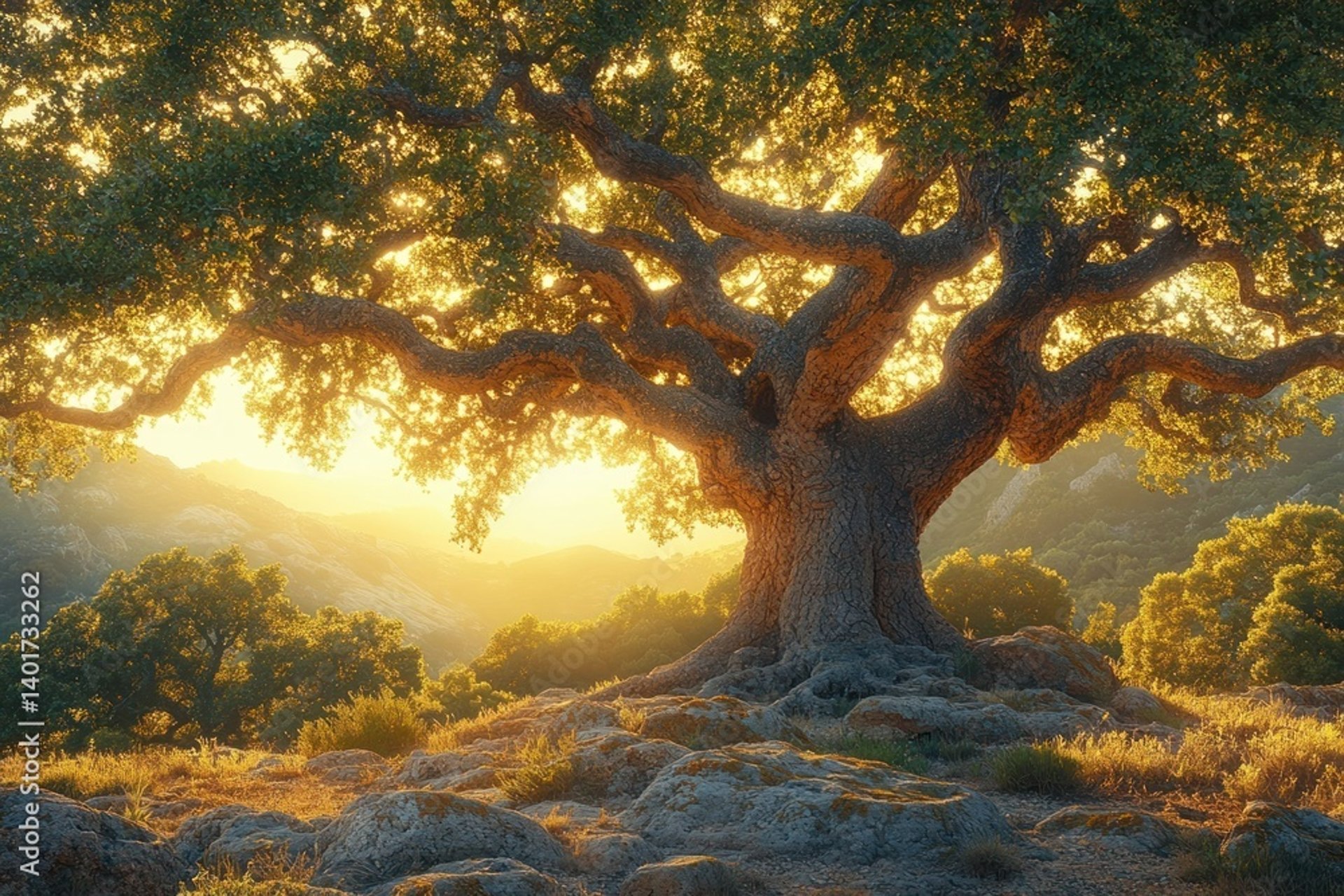
The largest and oldest cork oak in the world is indeed known as Assobiador (The Whistler Tree or Sobreiro Monumental in Portuguese) and is located in Águas de Moura, Portugal, famous for its immense size, prolific cork production, and being a Guinness World Record holder for the largest cork oak. Planted in 1783, it's a significant natural monument, having yielded record amounts of cork over its centuries-long life, and was voted European Tree of the Year in 2018.
Key Facts About The Whistler Tree:
NAME: Sobreiro Monumental (Monumental Cork Oak) or The Whistler Tree* (Assobiador).
LOCATION: Águas de Moura, Alentejo region, Portugal.
PLANTED: 1783.
RECORDS: Guinness World Record for the largest cork oak in the world.
NICKNAME ORIGIN: The whistling sound birds make when landing in its branches.
SIGNIFICANCE: A Tree of Public Interest in Portugal and a symbol of sustainable cork harvesting.
This magnificent tree is a testament to the longevity and productivity of cork oaks, showcasing the potential of these unique trees in a sustainable industry.
(The Whistler Tree or Sobreiro Monumental in Portuguese)
The largest and oldest cork oak in the world is known as Assobiador

FROM HARVEST TO HOME
NATURE'S HANDS & TIMING ARE ALWAYS A GIFT MANY REFUSE TO ACKNOWLEDGE AHEAD OF TIME
Here at ECO~RK we encourage productivity and engagement from creators of cork products nationally and locally, We aim to help to sell and promote firstly the amazing material that is CORK LEATHER and also poke productivity, creativity and uniqueness with items across the spectrum, We also work with a 3d print company to create bespoke models created only from the best sustainable materials earth offers us presently that can also be bound with CORK LEATHER/HEMP/STRAW
ACCESSORIZE & CUSTOMIZE
let your imagination flow
E
C
O
~
R
K
DRIVE INLINE WITH the future
CORK VEHICLE CUSTOMIZATION
GET AHEAD OF THE GAME
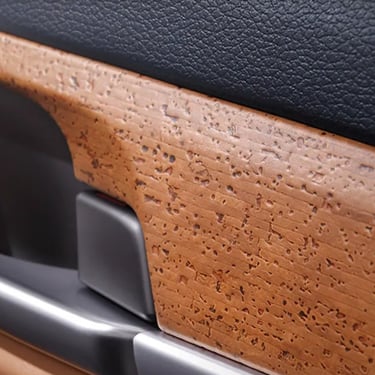
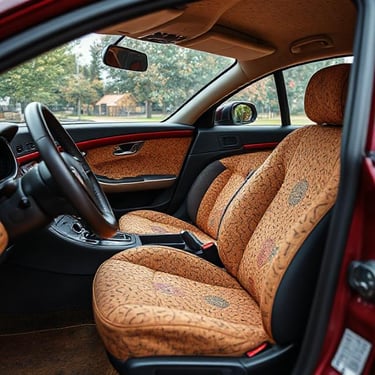
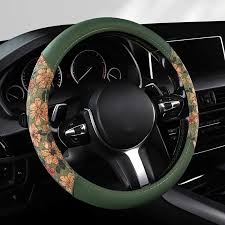
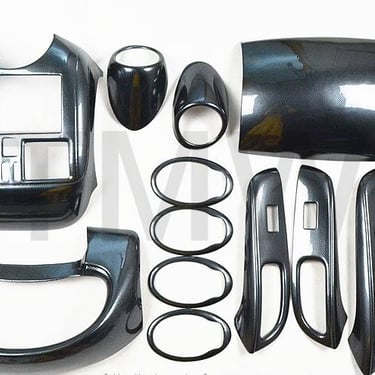
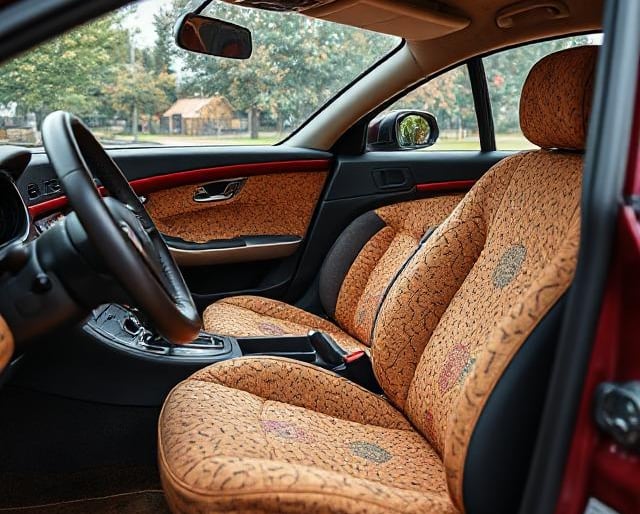
Here at ECO*RK we sell Cork Leather to the Automobile industry for Interior customisation
We also offer a unique service to supply the cork material and connect local Skilled companies closest in your area to carry out the work
We only connect to reputable companies for this service and grow a relationship over time
Here at ECO*RK we aim to build friendships for longevity and quality craftsmanship. We aim to slowly help the effort within the vehicle industry to transition from leather to a more natural sustainable way forward
A way forward that looks and feels amazing and will be a major contributor to a new healthy world with Mother Nature calling the shots, Cork leather is a beautifully crafted material from nature to your door.
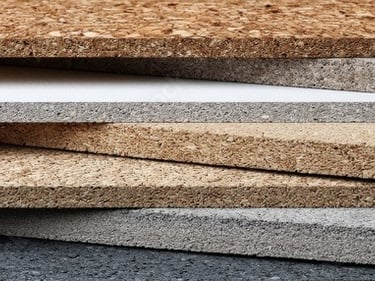
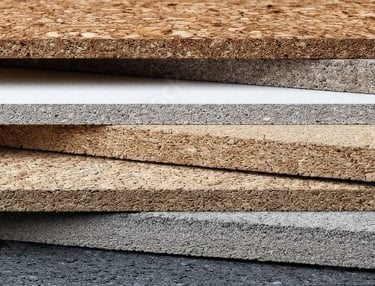
Cork underlayment for flooring
Watercourses radiation insulation cork boards
Cork thermal insulation panels ThermoKork
Thermal & sound insulation expanded cork boards
Self adhesive colored cork board sheets
World map cork boards & cork globes
Cork decking for marine industry (SeaCork) Cork boat deck flooring
Cork pads for glass protection
Flooring expansion joints cork strips
Liquid cork sealant Bostik 3070
Cork panels for laser engraving and cutting