YOUR IMAGINATION KNOWS NO BOUNDARIES WITH ECO~RK LEATHER
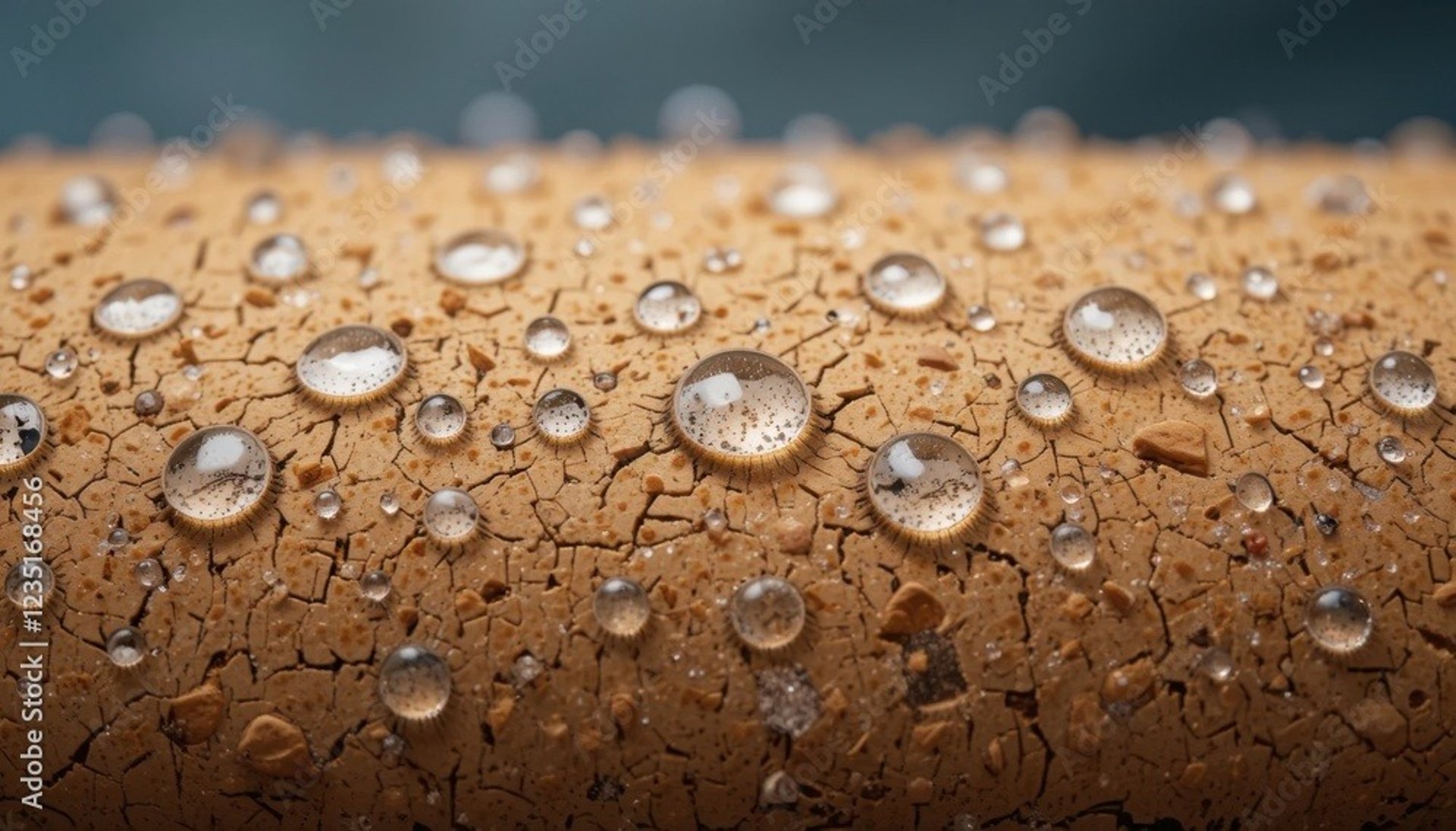
AQUAPROOF WITH CORK LEATHER
Cork leather is a naturally water-resistant material used in a wide range of applications, primarily in sustainable fashion, accessories, and home goods. Its inherent water resistance comes from a waxy substance called suberin in its cell walls.
Common Uses of Waterproof Cork Leather
Cork leather's unique properties—lightweight, durable, flexible, and resistant to water, stains, and abrasions—make it a versatile alternative to traditional animal or synthetic leather.
Fashion Accessories Wallets, purses, handbags, tote bags, and backpacks are very common applications, as the material protects contents from light rain and spills while remaining lightweight.
Footwear It is used in the creation of shoes, sandals, and insoles due to its natural shock absorption, breathability, and moisture resistance.
Apparel Items such as belts, watch straps, hats, jackets, and even aprons are made from cork leather.
Home & Interior Design The material's durability and easy maintenance make it suitable for a variety of home items, including placemats, coasters, and upholstery for furniture.
Specialized and DIY Products Its unique resistance to heat, sound, and water has led to uses in more technical applications, such as the lining of spacesuits and bulletproof vests, as well as general DIY projects.
Key Properties
Natural Water Resistance The material naturally repels liquids, which is why it has historically been used for wine stoppers and fishing nets.
Easy to Clean Most cork leather products can be cleaned simply by wiping them with a damp cloth and mild soap.
Sustainable & Vegan As the bark is harvested from cork oak trees without harming them, it is a highly eco-friendly, renewable, and cruelty-free option.
Durable and Lightweight The honeycomb cellular structure provides both resistance to wear and tear and remarkable lightness, making it comfortable for everyday use.
While cork leather is highly water-resistant and suitable for everyday use in normal weather, it is not completely "waterproof" in the industrial sense of being able to withstand prolonged submersion or heavy saturation. For full waterproofing in specific applications (like flooring in wet rooms), a sealant or a laminated backing material is often used.