YOUR IMAGINATION KNOWS NO BOUNDARIES WITH ECO~RK LEATHER
PET HABITAT ACCESSORIES
ECO~RK
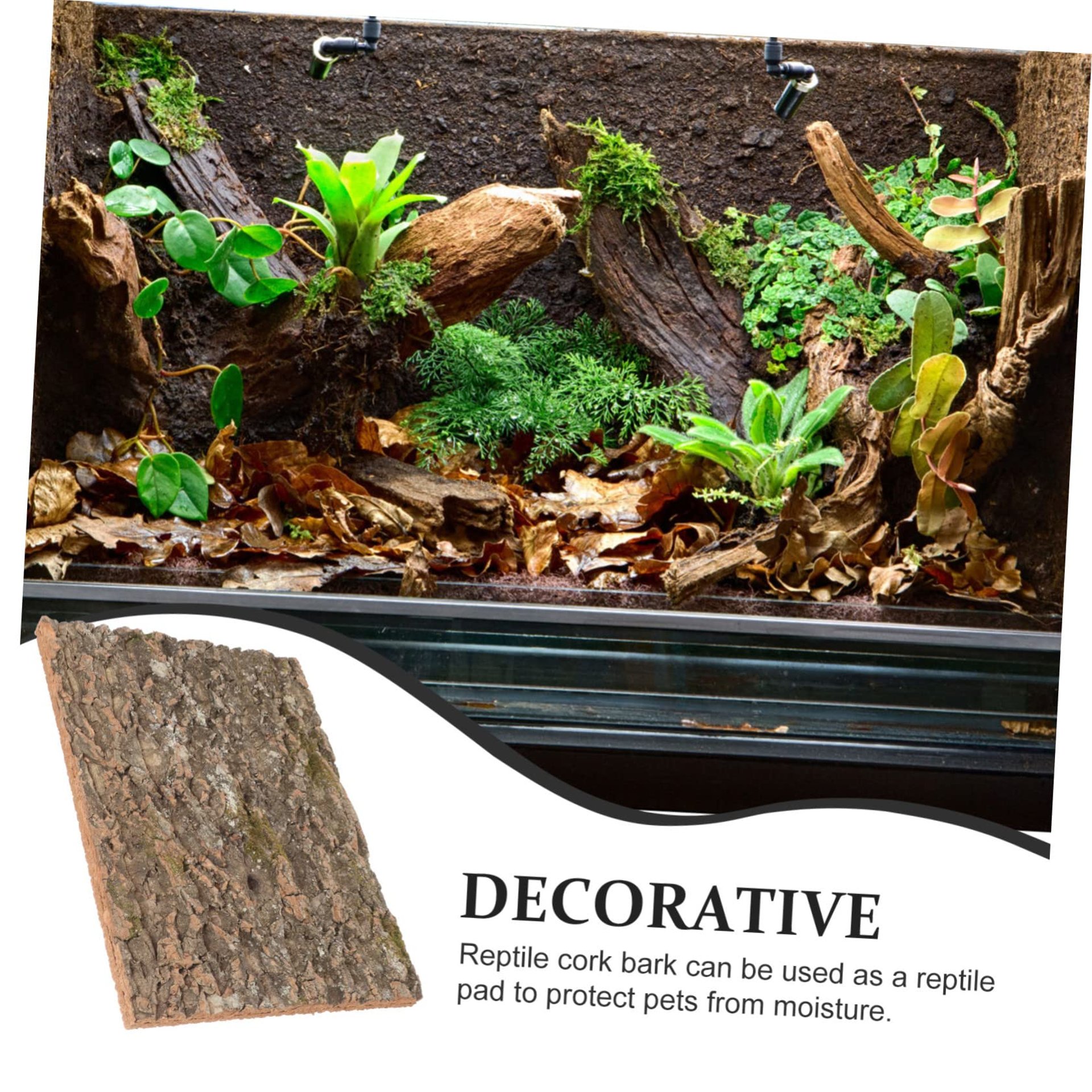
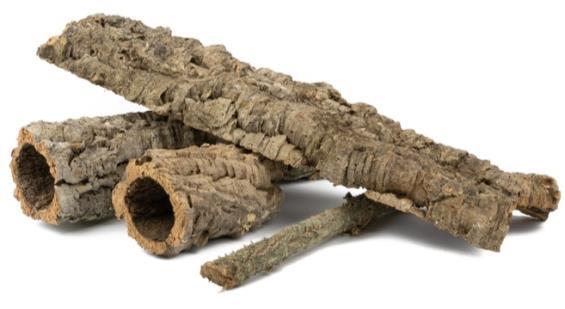


Cork ornaments, specifically those made from natural cork bark (which is durable, rot-resistant, and non-toxic), are highly preferred by various exotic pets, primarily reptiles, amphibians, and invertebrates.
These pets use the cork for a variety of natural behaviors and habitat needs:
Hiding and Shelter: Cork tubes, flats, and pieces provide essential hiding spots and secure shelters, which reduces stress for shy or nocturnal animals.
Climbing and Exploration: Arboreal (tree-dwelling) species use the rough, varied texture of the cork bark as a natural climbing surface, encouraging exercise and exploration.
Basking and Resting: Flat pieces of cork make excellent basking platforms for species that need to soak up heat under a light source.
Humidity Regulation: Cork retains moisture and slowly releases it, making it ideal for tropical or high-humidity enclosures.
Foraging and Enrichment: Small pieces can be used as a substrate or mixed in to encourage natural digging and foraging behaviors for small mammals (like hamsters and gerbils) and invertebrates.
Specific Pets That Benefit from Cork
Reptiles: Geckos (crested, leopard, day geckos), chameleons, anoles, snakes (corn snakes, ball pythons, tree boas/pythons), bearded dragons, skinks, tortoises, and turtles (cork floats, providing basking spots in water).
Amphibians: Various frogs (dart frogs, tree frogs, Pacman frogs), newts, and salamanders.
Invertebrates: Tarantulas, mantises, millipedes, isopods, and assassin bugs.
Small Mammals: Hamsters, gerbils, mice, and sugar gliders use cork for climbing, hiding, and as safe, natural bedding material.
Cork is a versatile and durable material that helps create a naturalistic, stimulating environment that mimics a pet's native habitat. You can find various forms of cork products through specialized pet supply retailers like Josh's Frogs, Swell Reptiles, or ReptiFiles and tailor the pieces to fit your specific enclosure needs
Many pets, particularly reptiles, amphibians, small mammals (like rodents), and birds, prefer or benefit from cork ornaments in their habitats as they provide natural enrichment, hiding spots, and safe chewing material.
Pets That Benefit from Cork Ornaments
Reptiles & Amphibians: Cork bark is a staple in terrariums and vivariums due to its moisture resistance and non-toxic nature.
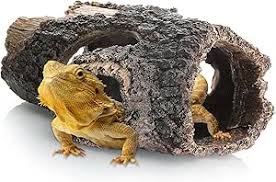
Uses: It's used for climbing surfaces, basking spots (due to low thermal conductivity), and hiding places, which helps shy or nocturnal species feel secure.
Species: Geckos, chameleons, bearded dragons, snakes, frogs, and tortoises all utilize cork bark structures for shelter and exploration.
Humidity Management: In humid enclosures (for dart frogs, ball pythons, etc.), cork retains moisture and slowly releases it, helping to maintain stable humidity levels.
Small Mammals (Rodents & Others): For small, gnawing animals, natural cork (ensure it is not from wine corks with chemical residues) provides essential oral stimulation.
Uses: They enjoy chewing cork to manage their continuously growing teeth, creating bedding, and using cork tubes as tunnels or hides.
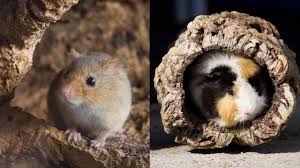
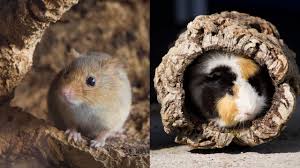
Species: Rats, hamsters, guinea pigs, rabbits, chinchillas, and mice can all benefit from safe cork chews and hides.
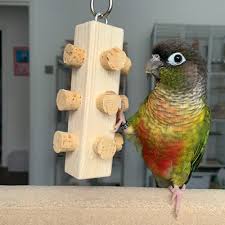
Birds: Cork is considered a safe, sustainable, and preferred material for bird toys.
Uses: Its soft yet firm texture is ideal for their beaks, providing enrichment and encouraging natural shredding behaviors.
Invertebrates: Species like tarantulas, mantises, millipedes, and isopods also use cork in their enclosures.
Uses: Cork provides climbing surfaces, secure hiding spots, and helps resist mold in humid invertebrate setups.
Key Benefits of Cork in Habitats
Natural Enrichment: Mimics a natural environment, encouraging exploration, climbing, and hiding behaviors.
Safe & Non-Toxic: 100% natural cork is non-toxic, free from harmful chemicals, and safe if small pieces are ingested (though excessive ingestion should be monitored).
Durable & Moisture Resistant: Naturally resistant to mold and rot, making it a long-lasting and hygienic choice for both arid and humid setups.
Versatile: Available in various forms (flats, tubes, granules) that can be easily cut and shaped to fit specific enclosure needs.
To help you choose the ideal cork ornaments, I can filter for options that are the perfect size and shape for your specific pet. Which pet do you currently own or plan to get?
Key Benefits of Using Cork
Non-Toxic and Natural: Cork is 100% natural, free from harmful chemicals or glues, making it safe for oral contact and habitat use.
Moisture and Mold Resistant: It resists rot and mold buildup, making it suitable for both high-humidity and arid enclosures.
Versatile Enrichment: Cork allows pets to engage in natural behaviors like climbing, hiding, burrowing, and chewing, which reduces stress and improves animal welfare.
Lightweight and Durable: It is easy to cut to size, move around, and can last for years in an enclosure.

THESE EARTHLY BEINGS JUST LOVE CORKS NATURAL ENERGY TO LIVE AROUND AND BE COMFORTED, CUSTOMIZED & CONNECTED MAKE THEIR HOMES AS NATURAL AS POSSIBLE
ECO~RK
HABITAT CREATION MODE WITH ECO~RK CORK LEATHER/3D PRINT & EARTHS TREASURE MATERIALS
Here at ECO~RK we not only sell pet habitats designed for specific beings but we also want to offer a unique pick & mix create your own pet habitat here with us using modern day technology for structure and some of natures most connected materials for design and comfort
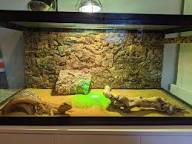
Cork is arguably the most versatile decor available as it is ideal for use in all vivariums and terrariums for all reptiles, amphibians and invertebrates. From arid to rainforest, terrestrial to arboreal, there is a piece to suit every requirement.
OWLS & BIRDS
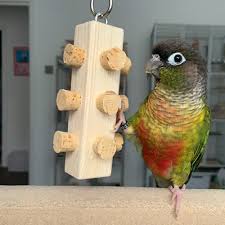
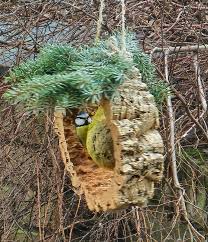
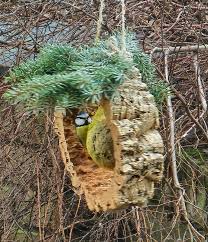
Birds: Natural cork is considered a top-tier, safe material for bird toys. Parrots and other birds enjoy shredding and manipulating cork, which provides excellent mental stimulation and helps keep their beaks conditioned.
REPTILES
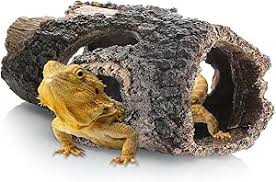
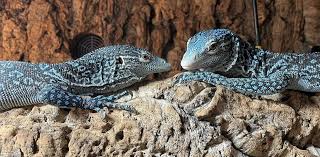
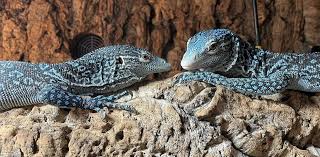
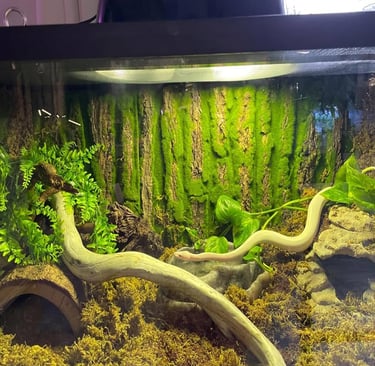
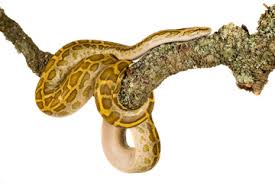
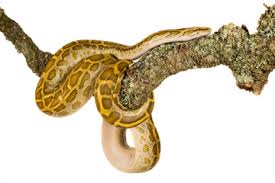
Arboreal Species (Climbing): Geckos (crested geckos, day geckos), chameleons, tree frogs, and snakes like tree pythons use cork tubes and flats for climbing surfaces and elevated hiding spots. The irregular texture provides excellent grip and aids in shedding.
Terrestrial Species (Ground-Dwelling): Animals like bearded dragons, skinks, and tortoises use flat cork pieces for basking platforms or shelters.
&
AMPHIPIANS
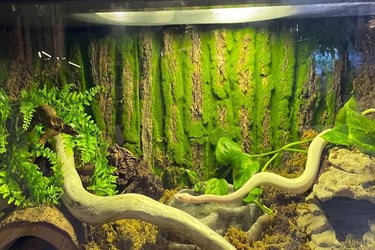
High-Humidity Species: Dart frogs and ball pythons benefit from cork's ability to retain moisture and slowly release it, helping to maintain humidity levels.
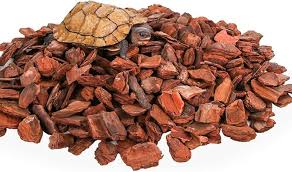
Aquatic Species: Turtles and some fish can use cork bark because it floats, providing a natural basking spot or a floating hideout in the water feature
INVERTEBRATES
Invertebrates: Tarantulas, mantises, millipedes, and isopods use small cork pieces and flats as natural hides, climbing structures, and secure places to feel safe
SMALL MAMMALS
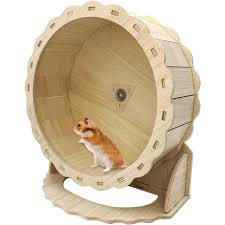
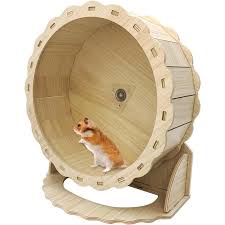
Rats, Hamsters, Gerbils, and Mice: They love to chew on cork to manage their continuously growing teeth. Cork granules also make a soft, natural, and absorbent bedding material for burrowing and nesting.
Rabbits, Guinea Pigs, & Chinchillas: Cork provides a safe, non-toxic chewing option that satisfies their need for oral stimulation.