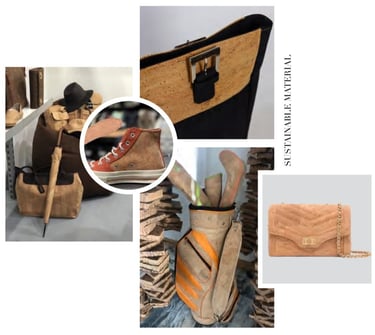
YOUR IMAGINATION KNOWS NO BOUNDARIES WITH ECO~RK LEATHER
ACCESSORIZE & CUSTOMIZE
ECO~RK
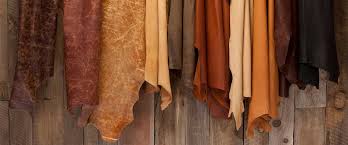
Here at ECO~RK we work with modern day technology and natures finest and most self proggressive materials known so far to help us create a vast array of items and accessories that will not only serve us our desired requirement but also at the very same time is helping and nurturing in small ways earthly regeneration and a more sustainable future.
Small steps here and there go along way on time
3D PRINTING DESIGNS AND MODELS
The most sustainable 3D printing material is generally considered a bioplastic like PHA or recycled PETG and PLA, but the best choice ultimately depends on your project's specific needs for strength, biodegradability, or recyclability.
Most Sustainable Material Options
Sustainability in 3D printing hinges on the material's origin, the energy used in production, and its end-of-life options (recycling or composting).
PHA (Polyhydroxyalkanoates)
Description: A bioplastic made through a natural fermentation process using bacteria, sugars, and oils.
Why it's great: It is 100% bio-based and fully biodegradable in various natural environments, including marine and home compost conditions, without leaving microplastics. It offers good strength and high temperature stability (up to 120 °C).
Example Products: colorFabb allPHA BLACK, Beyond Plastic PHA.
Recycled Filaments (rPETG, rPLA, rNylon)
Description: These filaments are produced from post-industrial or post-consumer plastic waste streams, such as industrial packaging, medical trays, or discarded fishing nets.
Why it's great: Using recycled content reduces the demand for new virgin materials and lessens plastic waste in landfills. Recycled PETG, in particular, is highly recyclable in common household streams and often has a high percentage of recycled content (up to 99.5%).
Example Products: Filamentive rPLA, FormFutura ReForm rPET, Fishy Filaments Nylon (from fishing nets).
PLA (Polylactic Acid)
Description: A bioplastic derived from renewable resources like corn starch or sugarcane.
Why it's great: PLA has a significantly lower carbon footprint and uses less embodied energy compared to fossil-based alternatives like ABS. It is biodegradable, though it requires specific industrial composting conditions (high heat and microbes) to break down efficiently.
Example Products: eSUN PLA+, Polymaker PolyTerra PLA.
Natural Fiber Blends
Description: These are typically PLA-based filaments blended with natural materials like wood dust, bamboo, or algae.
Why it's great: The addition of natural fibers further reduces the plastic content and can enhance biodegradability. Using algae-based filaments, for example, helps remove "nuisance algae" from water bodies.
HANDMADE BY LOCAL ARTISTS
Here at ECO~RK we encourage productivity and engagement from creators of cork products nationally and locally, We aim to help to sell and promote firstly the amazing material that is CORK LEATHER and also poke productivity, creativity and uniqueness with items across the spectrum, We also work with a 3d print company to create bespoke models created only from the best sustainable materials earth offers us presently that can also be bound with CORK LEATHER/HEMP/STRAW